
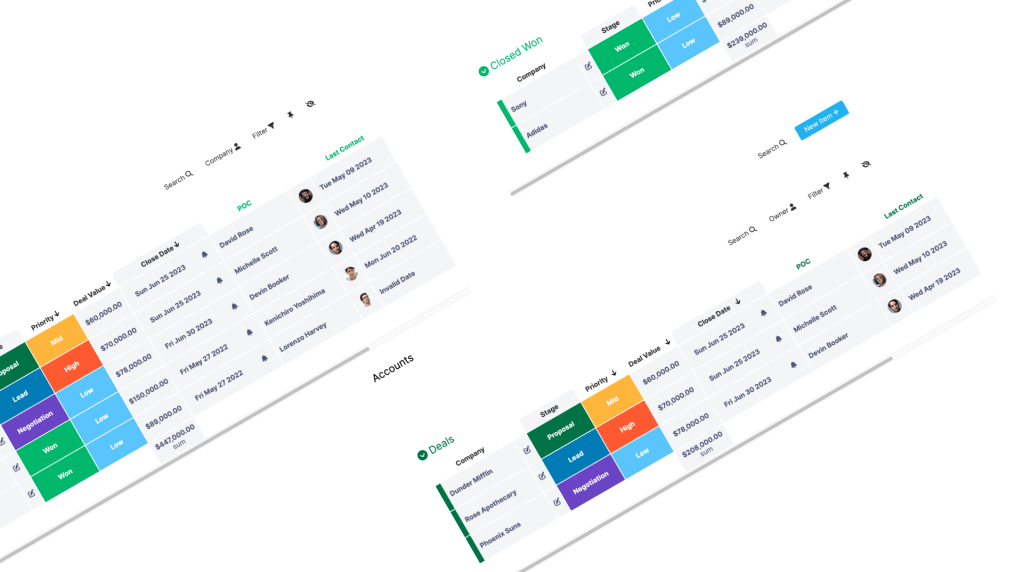
Accounts Dashboard.
A responsive dashboard – Using semantics HTML, BEM and fetch API using vanilla Javascript
Summary
This project is focused on building a simple, clean scalable and maintainable website using HTML semantics, BEM for CSS organization, Sass for CSS preprocessor, vanilla javascript for local API fetch and navbar responsiveness and Gulp for automated front-end build task such as minifying SCSS, JS and images.
Web Development Process
UI Design
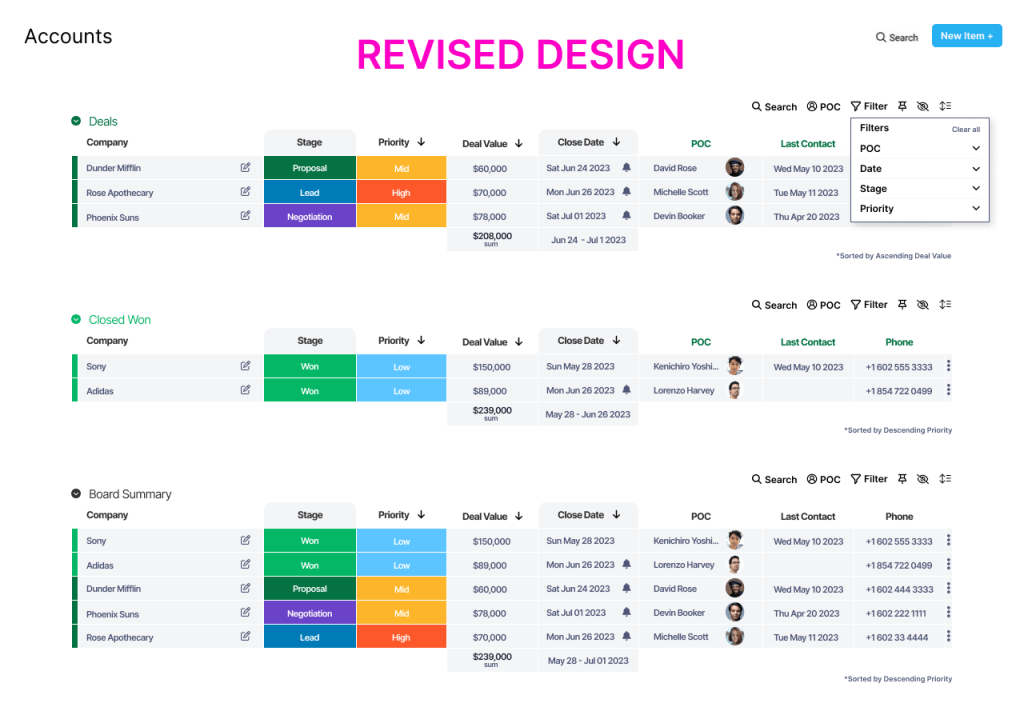
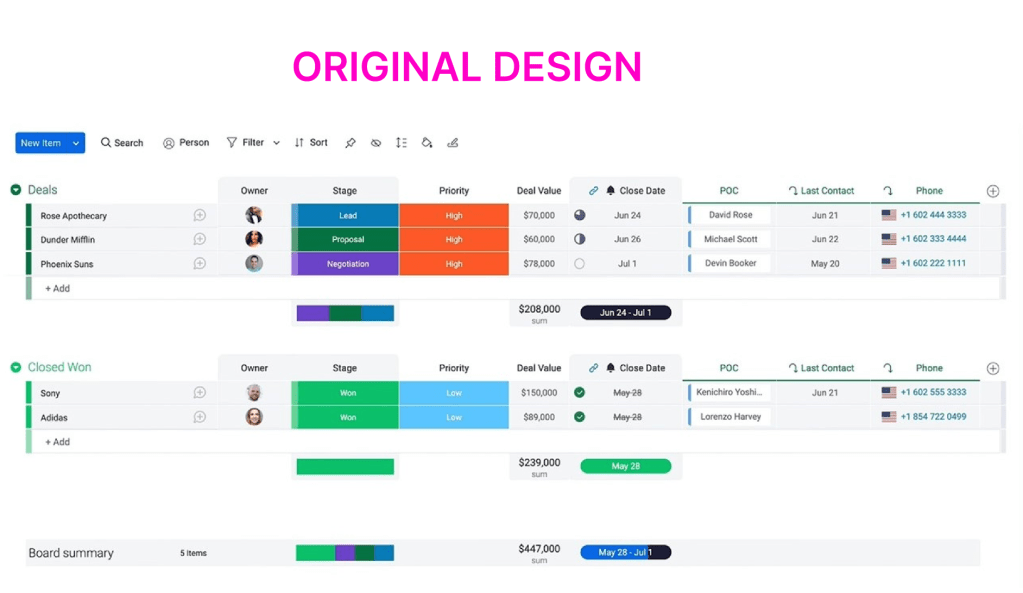
The revised design is an enhanced rendition of the task I worked on during my previous front-end interview. The challenge presented was to create the design without relying on any frameworks. I implemented slight modifications, such as the removal of unnecessary icons and overall simplification, resulting in an improved version.
Coding
I created an npm package called generator-website-starter that includes Gulp, Sass and Browsersync.
Download npm package
npm i generator-website-starterRun this in local server
gulpFeatures and Functions
HTML
- Semantic markup for accessibility
CSS
- Set up Sass partials for organization
- BEM for clean, understandable and maintanable code
- High-fidelity design translated into web page
- Set up media queries for responsiveness and device compatability
Javascript
- API Call to local json file by using the following functions.
- Used fetch for getting data and catch for error handling responses
- Conversion of property values to currency and date
- Iterate multiple arrays to each table
- Getting the sum of total values for Deal Value in each table
- Merged two arrays to create a new array for Board Summary Table
- Clickable mobile navbar, expected to toggle and show menu.
Deployment
npm package doesn’t have the gulp build so I added this line of code in the gulpfile.js
exports.build = series(parallel(scssTask, jsTask, optimizeImg)); FG Portfolio